Thirteenth Sunday after Pentecost
August 14, 2024
John 6:51-58
The audio of this sermon is available here. The video of the full worship service is available on the Trinity Episcopal Church YouTube Channel.
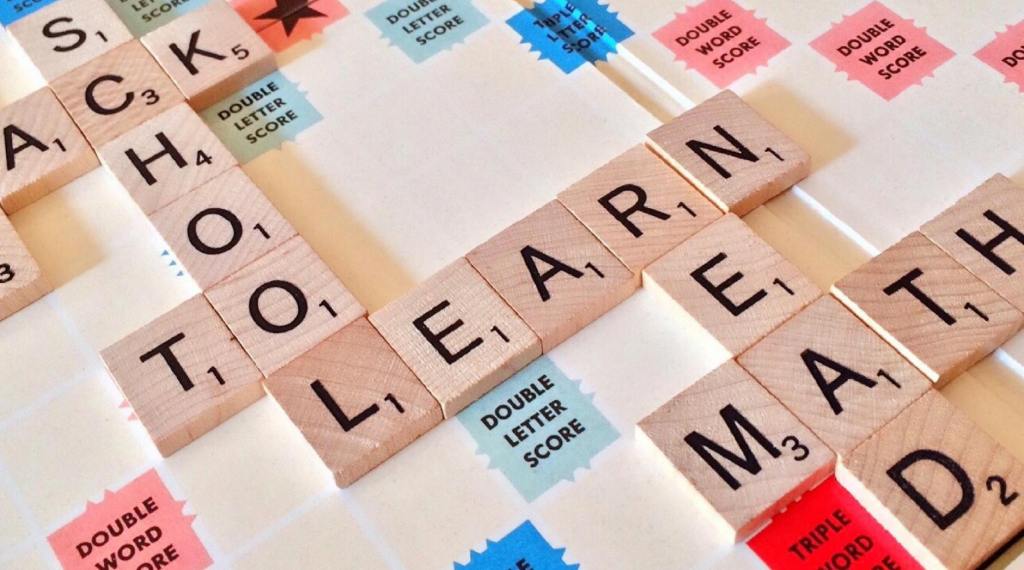
The first day of school. Fresh haircuts. Big shopping bags full of school supplies. And lots of emotions. That first day of school, we had at Trinity this week and like Galveston will have tomorrow, is always an emotional blender. Friends who hadn’t seen each other all summer gave each other great big hugs. I saw scared little kindergartners, walking into that big building for their first time. I saw parents – some sad that summer had come to an end, and some relieved that it was over.
And as I was walking through the school that day, the first day, I noticed that everyone was going through the basics. Getting their desks ready. Organizing their folders. Figuring out the way to the lunchroom and restroom. Everyone was adjusting to the routine of being back in school. That first day, it’s all about the basics.
The basics. And really, what Jesus says today, is basic. “Very truly, I tell you, unless you eat the flesh of the Son of Man and drink his blood, you have no life in you” (John 6:53). “Those who eat my flesh and drink my blood have eternal life, and I will raise them up on the last day” (John 6:54). For us Episcopalians, this is right up our alley. It’s why we gather every Sunday, to eat the flesh of the Son of Man, to drink his blood. We gather here and through the gift of grace we receive eternal life through the bread and wine of Holy Communion. Jesus told us to do this. And so we do. It’s basic.
And yet, there is always the second day of school. When the learning really starts. The teachers start with those basic building blocks, so that their students have the capacity to grow over the course of the year. Those boxes of colored pencils, they will become the tools by which students learn about geography and ecosystems. Those notebooks, they’ll soon be filled with spelling words and math problems. Learning where the bathroom is, knowing where the Kleenex is, on the first day of school is not about the first day of school – it’s about building the routines and the structures so students can learn and grow and thrive.
Yes, it starts with the basics of the faith. This bread and wine is the flesh and blood of the Son of Man, and by receiving them, we receive eternal life. This is both our solemn duty and our joy. That we gather here, week by week, to receive this bread and this wine. But we cannot stop there, there is so much more. Because we know that we have eternal life, this gives us the courage to live our faith for Jesus, regardless of the cost. Because we know that we have eternal life, we can be liberated from our addictions and sins. Because we know that we have eternal life, through this loving gift of God, we can love God and love our neighbor. As the bread and wine is so freely offered to us, we freely offer ourselves to this hungry and thirsty world.
And that’s the crux of it. The basic lesson, the first routine we have to learn, is the basic routine of coming to church, of praying, and of receiving this incredible grace. This is like the first day of school. But Jesus calls us to go deeper.
So let’s pretend this is a middle school vocabulary lesson. Jesus says, “those who eat my flesh and drink my blood have eternal life” (John 6:54a). Take the word “eat.” The word that Jesus uses here is not nibble, or snack on; the Greek word used here means to munch, to crunch, to gnaw on, to chew. Think of a kid scarfing down a peanut butter and jelly sandwich after recess. Think of that teacher wolfing down a granola bar on a long day. That’s what Jesus is getting at. There is a real, graphic physicality to it when Jesus says, “eat my flesh.” This is not the nice, polite, Episcopalian word for coming up here for a wafer of bread. What Jesus is calling us to do is to munch, to chew on, to gnaw on him day by day.
See, this is getting beyond the basics. We’re building off the foundations to get to something deeper. Because I think that far too often, we substitute the niceties of church worship for the real work of faith. Jesus says “eat my flesh,” and yes, we do, every single Sunday. We come to church, say our prayers, enjoy this beautiful place, we offer what we have. But those are just the basics, that’s the first day of school. “Eat my flesh” also means that we digest his spirit, so that he will become part of us and we of him. This means loving and serving like he did, this means noticing the stranger and the oppressed like he did, this means being generous as he was. “Eat my flesh” means to be munching, chewing, scarfing down the words and grace of Jesus, not just on Sundays but every day of the week. “Eat my flesh” [pointing to the altar] is basic, that’s where we start. But I hope it’s not where we end.
As we begin this school year, as we begin our program year at Trinity, I want to talk about those basics. Like the first day of school, these are, I think, the basics to the Christian life.
First, worship. And I mean, come to church on a regular basis. Worship more than you don’t. Now, I’m not the referee on this. I’m not keeping score. But what I do know, from when I was sitting in the pews like you, is that the more consistently I went to church, the deeper my faith went.
Second, serve. Whatever it is, I know this to be true; when I serve, when I give my time and my energy, it’s not just good for the people on the receiving end, it’s actually good for me. We grow by serving.
Third, give. And I mean money. We give money to church and charity because that’s how we learn generosity, and gratitude; it’s only by giving something away that we learn its real value. It’s not about how much we give, it’s about why we give, so that we would grow in generosity and gratitude, so that we would grow in faith.
And finally, pray. Pray every day. And yes, the prayer to find a parking spot is fine; the quick prayer when you’re going to bed is good; but we can all dig deeper. To set aside solid times to be with the Holy Spirit, to eat the flesh of Jesus in our hearts.
Those are the basics: worship, serve, give, pray. But those basics, they’re not the purpose of being a Christian. I don’t want to confuse the means with the ends. Imagine coming to graduation this year for Trinity School, and asking the eighth graders what they learned during their time here. If they said, “well, I learned where my classrooms were,” “I learned when lunch was,” we would be scandalized. And I would have to ask what in the world is going on over in the middle school anyway. We want them to say how their minds were shaped; we want them to say how they learned to get along with people with whom they disagree; we want them to say that their minds were opened to the wonderful world of knowledge.
In the same way, at the end of our days our lives will not be measured in the menial tasks that we accomplished. No, our lives will be measured on how we loved, what we gave, who we helped, and why we lived. We worship, serve, give, and pray not to check off the boxes, not to earn eternal life, but because this eternal life has already been given to us by Jesus.
See also
Heilmann, Jan. “A Meal in the Background of John 6:51-58?” Journal of Biblical Literature 137, no. 2 (January 1, 2018): 481–500. https://doi.org/10.15699/jbl.1372.2018.344754.



 The Rev. Jimmy Abbott
Leave a comment